
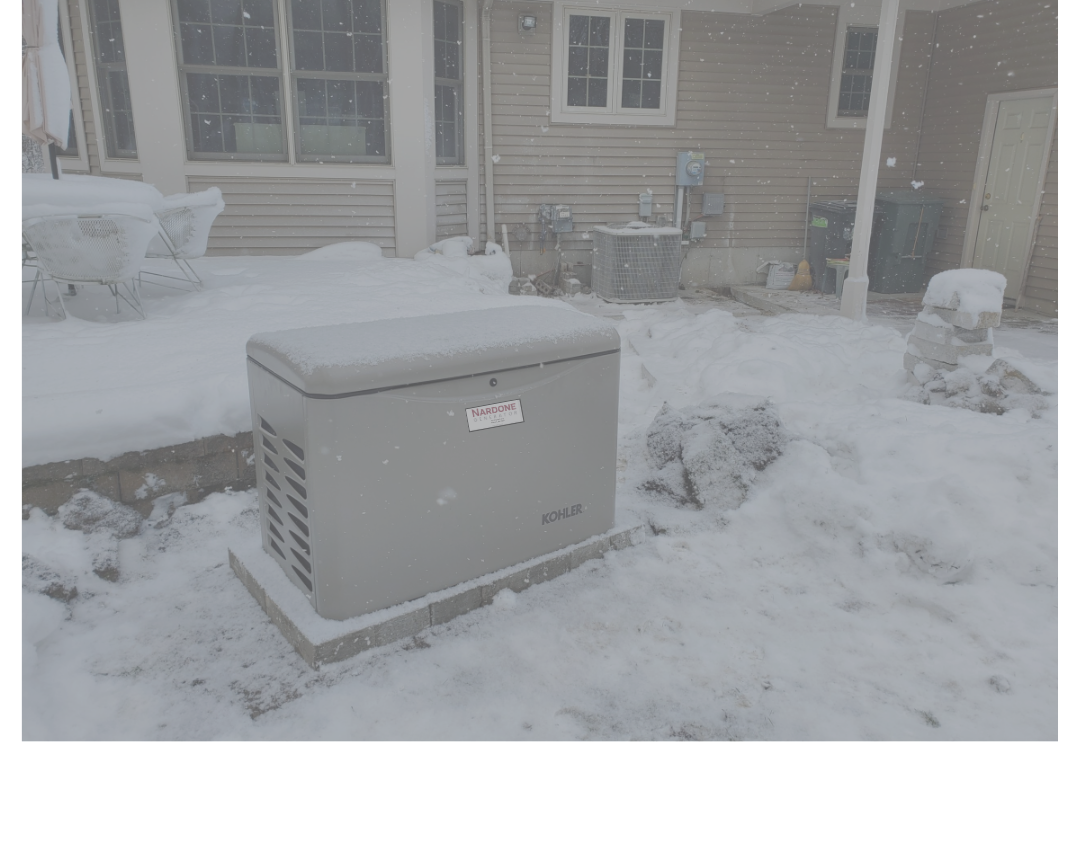
Winter in New England is no joke—ice storms, heavy snow, and unexpected power outages can hit fast. The last thing you want is to be left in the dark when the temperatures drop. Now is the perfect time to make sure your generator is fully prepared for harsh winter conditions.
Cold weather can impact your generator in several ways, including:
- Fuel Line Issues
As temperatures fall, diesel fuel can begin to thicken or even jellify. This can clog your fuel lines and prevent your generator from starting or running properly. - Reduced Battery Capacity
Generator batteries lose efficiency in the cold. In fact, a battery can lose up to 20% of its capacity for every 10°F drop in temperature—making winter start-ups more difficult if the system isn’t properly maintained. - Blocked Airflow
Snow, ice, and debris can cover your generator’s intake and exhaust. When airflow becomes restricted, it can create unsafe operating conditions and reduce performance.
To keep your system reliable through every snowstorm and Nor’easter, regular maintenance and winter prep are essential. This includes scheduling a load bank test, which helps ensure your generator can handle the power demands placed on it during winter outages.
Don’t wait until a storm hits—give us a call to schedule your winter maintenance and make sure your generator is ready for whatever the season brings.